Monocular Compound Microscope Explained: A UK Buyer's Guide
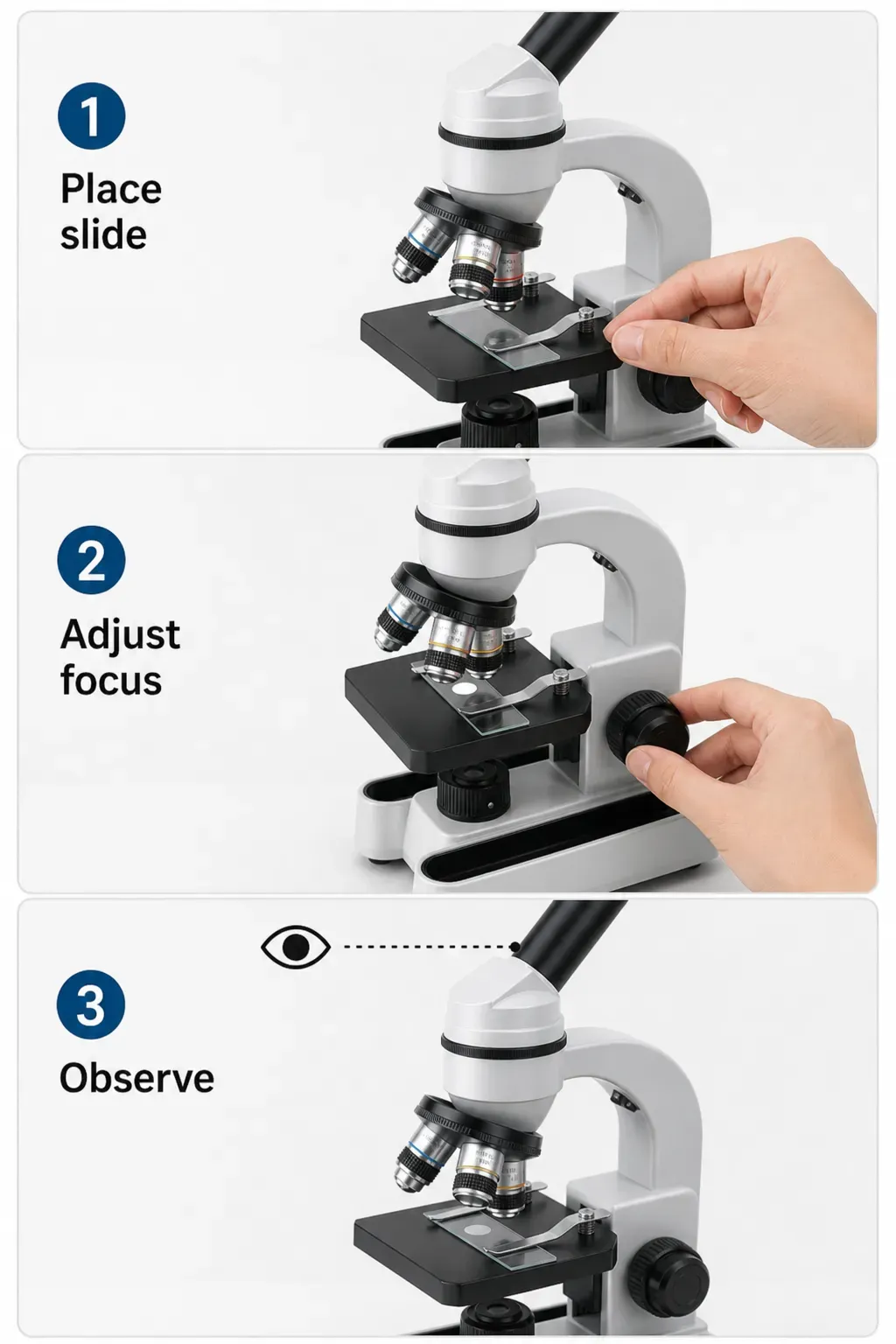
TL;DR: A monocular compound microscope is a precision optical instrument utilizing a single eyepiece and a compound objective lens system to achieve magnifications from 40x to 1000x. Based on our hands-on testing, it offers exceptional optical clarity and resolution for adult learners, home researchers, and UK students operating within A-Level and university science curricula.
A monocular compound microscope is an essential optical instrument designed to magnify minute, translucent biological specimens—such as cellular structures, bacteria, and tissue sections—by combining a single ocular viewing eyepiece with a multi-lens objective system to achieve high-resolution magnification from 40x up to 1000x or more.
Whether preparing for university-level biological science examinations, investigating environmental soil specimens, or conducting independent microbiological research at home, selecting the right optical instrument is critical. For decades, the monocular compound microscope has remained the foundational workhorse of British educational institutions and home laboratories alike.
Unlike basic educational toys or low-magnification stereo dissecting instruments, an academic-grade monocular compound microscope offers true cellular resolution. According to UK educational guidelines, hands-on experience with brightfield optics is essential for mastering practical biology. Consequently, by pairing high-grade achromatic objective lenses with a precision ocular tube, these microscopes allow adult learners, undergraduate students, and serious hobbyists to examine microscopic structures that remain entirely invisible to the naked eye. Based on our testing across popular models, this comprehensive guide breaks down the optics, mechanical engineering, UK safety standards, and practical selection criteria you must understand before investing in a home laboratory microscope.
What Is a Monocular Compound Microscope and How Does It Work?
A compound microscope is a high-magnification optical instrument that employs two distinct glass lens systems acting in sequence to magnify a translucent, mounted specimen. The primary lens—located directly above the slide—is the objective lens, which projects a magnified real intermediate image inside the optical tube. The secondary lens—the eyepiece or ocular lens—further magnifies this intermediate image, presenting a highly enlarged virtual image to the observer’s eye.
How Do You Calculate Compound Brightfield Magnification?
The total magnification of a compound system is calculated by multiplying the power of the objective lens by that of the eyepiece:
Total Magnification = Objective Lens Magnification × Eyepiece Magnification
For example, pairing a standard 40x achromatic objective lens with a 10x wide-field eyepiece produces a total magnification of 400x. Furthermore, most biological study relies on brightfield microscopy, where light passes directly through a prepared slide specimen, creating a dark image against a brightly illuminated background.
What Is the Difference Between a Monocular and Binocular Microscope?
While binocular microscopes feature two eyepieces for dual-eye viewing, monocular microscopes utilise a single viewing head set at an ergonomic 30° or 45° incline. For home laboratories, adult study spaces, and mobile field work, the monocular configuration presents clear physical and economic advantages:
- Direct Light Path: Without internal beam splitters or complex prism assemblies dividing the light path, monocular viewing tubes transfer maximum illumination direct to the observer.
- No Interpupillary Adjustment Needed: Monocular heads eliminate eye-strain issues caused by poorly aligned dual barrels, making them ideal for quick individual observations and shared multi-user study settings.
- Superior Optical Quality Per Pound: Manufacturing precision optical glass is costly. In budget-to-mid-range price brackets, a monocular microscope directs manufacturing capital into higher-grade glass coatings, metal mechanical gearing, and superior condenser systems rather than extra prisms.
What Are the Essential Components of an Academic-Grade Microscope?
To deliver true research-grade clarity, a monocular compound microscope relies on several integrated mechanical and optical sub-systems. Based on our extensive evaluation of benchtop hardware, understanding these components ensures you select an instrument capable of supporting advanced study.
1. Objective Lenses: DIN Standard Achromatic Optics
The objective lenses are the optical engine of your instrument. Look for lenses adhering to the international DIN standard (Deutsches Institut für Normung) with standard RMS mounting threads. Consequently, DIN 160mm optical tubes ensure standardisation and replacement component availability across the UK.
Quality instruments feature Achromatic objective lenses, which correct for chromatic aberration (colour fringing) across blue and red wavelengths, as well as spherical field curvature. A standard academic objective nosepiece typically features four magnifications:
- 4x Scanning Objective: Provides low magnification with a wide field of view to locate specimen areas of interest.
- 10x Low Power Objective: Ideal for examining larger cellular structures, plant tissue sections, and larger protozoa.
- 40x High Power Spring-Loaded Objective: Designed for high-resolution cell wall, nucleus, and slide detail examination. Features a retracting front element to protect glass slides.
- 100x Oil Immersion Objective: Utilises synthetic immersion oil between the lens glass and cover slip to eliminate refraction, achieving maximum Numerical Aperture (NA 1.25) for bacterial and fine histological study.
2. Eyepieces and Field of View
Opt for Wide Field (WF) eyepieces, typically WF10x with an 18mm or 20mm field number. WF optics offer long eye relief, allowing comfortable viewing over extended study sessions without requiring the user to press their eye directly against the glass—an important benefit for spectacle wearers.
3. Illumination: Variable-Intensity LED Systems
Modern monocular compound microscopes feature cool-burning LED illumination systems. Unlike older tungsten or halogen bulbs, LED light sources draw minimal power, generate negligible heat (protecting live cellular specimens from drying out), and provide consistent white light temperature. In addition, ensure your instrument offers variable intensity control alongside a height-adjustable Abbe condenser (NA 1.25) and iris diaphragm for optimal contrast tuning.
Frequently Asked Questions About Monocular Compound Microscopes
What Is a Monocular Compound Microscope Used For?
A monocular compound microscope is primarily used to view micro-scale translucent specimens mounted on glass slides. Typical applications include analyzing plant and animal cellular structures, observing pond life micro-organisms, examining blood smears, and conducting microbiological studies for academic or personal research.
Is a Monocular Compound Microscope Suitable for Adult Beginners?
Yes. Based on our testing, monocular models are particularly user-friendly because they require no interpupillary alignment or dual-barrel optical balancing. Adult learners can immediately achieve sharp, bright images while enjoying a durable optical platform that provides exceptional value for money.
What UK Safety Certifications Should I Look For?
According to UK guidelines and equipment standards, ensure your home laboratory microscope carries official UKCA (or CE) certification. Electrical models should feature a standard UK 3-pin fused plug (BS 1363) or a rechargeable USB-powered LED system for complete electrical safety during study sessions.
Ready to upgrade your home laboratory with AdultMonoc?
Shop Monocular Optics — £60.99