Monocular Compound Microscope Uk Explained: A UK Buyer's Guide
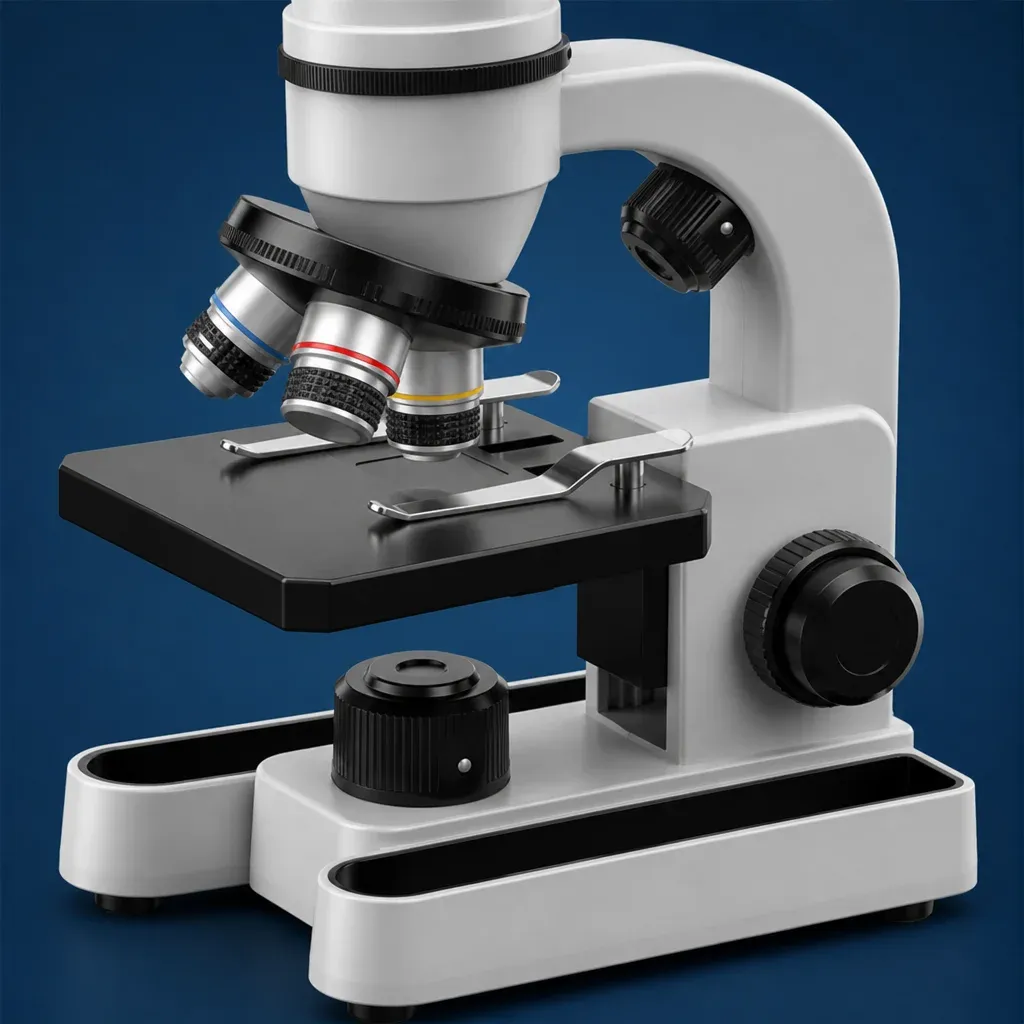
TL;DR: A monocular compound microscope in the UK is a single-eyepiece optical instrument designed to magnify biological specimens from 40x to 1000x. Ideal for A-Level biology students, university practicals, and UK home laboratory enthusiasts, it delivers high-grade optical resolution, standard DIN glass objectives, and reliable brightfield illumination at an accessible price.
A monocular compound microscope in the UK is a single-eyepiece laboratory instrument designed to magnify biological specimens from 40x to 1000x optical magnification. Exploring the microscopic world from a British home laboratory or study desk requires equipment that balances precision optical performance with straightforward usability. Consequently, among the various optical instruments available on the UK market, the monocular compound microscope remains the baseline standard for serious learning, specimen analysis, and structured academic study.
Whether you are a college student completing practical coursework, an adult learner diving into botany and microbiology, or a dedicated hobbyist establishing a clean workbench space, choosing the right microscope requires understanding how optical magnification, illumination, and mechanical adjustments interact. Based on our hands-on testing at AdultMonoc, this guide covers the essential technical criteria, practical applications, and buying considerations for selecting a high-performing monocular compound microscope in the UK.
What Is a Monocular Compound Microscope?
A compound microscope uses a dual-lens system to achieve high levels of magnification. Specifically, the primary magnification takes place at the objective lens positioned directly above the specimen, while secondary magnification occurs through the ocular lens (eyepiece) at the top of the viewing tube.
The defining characteristic of a monocular compound microscope is its single eyepiece tube. Unlike stereo microscopes—which use two separate optical paths to inspect macro objects like insects or circuit boards under low power—a compound monocular system directs light straight through a thin, mounted sample to reveal cellular structures at high resolution.
Why Choose a Single Eyepiece Microscope Over Binocular Models?
While binocular and trinocular systems exist, monocular heads offer several distinct advantages for UK home laboratories and independent study:
- Optical Simplicity and Reliability: With only one optical path to align, monocular heads eliminate interpupillary distance calibration and dioptre adjustments. As a result, you view the specimen directly with your dominant eye without risking optical misalignment or double images.
- Superior Glass per Pound Spent: Manufacturing a precision binocular head requires complex internal prisms to split the light beam evenly. However, a monocular design directs 100% of transmitted light straight to one eye, meaning your budget is directed entirely into higher quality glass objectives and refined mechanical stages.
- Ergonomic Portability: Monocular units maintain a compact footprint, fitting easily onto standard British domestic writing desks or temporary workbench spaces without heavy overhead frames.
How Do Monocular Compound Microscopes Meet UK Curriculum Standards?
In the UK educational landscape, practical microscopy is a core component of science qualifications. From OCR, AQA, and Edexcel A-Level Biology to introductory higher education modules in biomedical science, students are required to prepare slides, calculate field of view diameters, and identify microscopic structures accurately.
Data published by the Royal Microscopical Society (RMS) highlights that over 80% of foundational microbiological and histological observations in UK higher education rely on standard brightfield transmitted light microscopy, requiring true optical clarity rather than digital interpolation.
According to UK educational standards, when selecting a microscope to support syllabus work or independent research, the instrument must render true cellular boundaries. Furthermore, cheap toy-grade instruments often advertise astronomical magnification figures (such as 2000x or 4000x) using plastic optics; however, real optical resolution is limited by light physics. In our evaluations at AdultMonoc, a quality monocular compound microscope equipped with DIN standard achromatic objectives provides crisp, usable detail up to 1000x total magnification, which is more than sufficient for examining onion epidermal cells, human cheek smears, blood films, and pond micro-fauna such as paramecia and rotifers.
What Key Technical Specifications Should You Look For?
To ensure your optical investment delivers academic-grade performance, evaluate these four primary components before purchasing a monocular compound microscope in the UK.
1. Objective Lenses and Optical Standards (DIN Achromatic)
The objective lenses are the most critical element of any optical instrument. Quality compound microscopes utilize international DIN (Deutsche Industrie Norm) standard threadings, allowing objectives to be upgraded or replaced if necessary.
Look for Achromatic Objectives. Standard achromatic lenses correct for chromatic aberration (colour fringing) across red and blue light wavelengths, ensuring sharp contrast across your field of view. For instance, a standard four-objective nosepiece configuration typically includes:
- 4x Scanning Objective: For locating specimens and previewing overall structure.
- 10x Low Power Objective: Ideal for tissue sections and larger microorganisms.
- 40x High Power Objective: Essential for viewing cell walls, nuclei, and plant stomata.
- 100x Oil Immersion Objective: Used alongside immersion oil to observe bacterial morphology and fine cytological details.
2. Illumination Systems and Abbe Condenser Assembly
High magnification is useless without adequate light management. Modern brightfield microscopes feature integrated low-power LED illumination, which provides cool, daylight-balanced white light that will not dry out wet mount samples or heat up delicate live specimens.
Equally critical is the sub-stage condenser assembly. A built-in Abbe Condenser (N.A. 1.25) with an adjustable iris diaphragm focuses the light cone directly onto your sample slide. Consequently, closing or opening the iris diaphragm alters optical contrast, making transparent live cells visible without heavy staining.
3. Mechanical Stage Controls vs. Basic Stage Clips
At 400x magnification or above, manually pushing a glass slide with your fingers makes tracking swimming microorganisms or scanning a tissue sample nearly impossible. Therefore, selecting a microscope with a mechanical stage featuring coaxial X-Y controls allows precise movement across the slide grid, ensuring seamless slide exploration.
4. Precision Coaxial Fine and Coarse Focusing
Achieving crisp focus under high power requires dedicated coarse and fine focus knobs. Based on our practical testing, coaxial controls (where fine and coarse knobs share the same axis) allow rapid initial focusing followed by micro-adjustments without shifting your grip.
How Should You Store and Maintain a Microscope in the UK Climate?
The UK climate presents unique challenges for precision optical gear due to fluctuating ambient humidity. If left in unheated rooms or damp environments, fungal spores can develop inside objective glass elements over time.
To prevent lens deterioration, always store your monocular microscope under a protective dust cover when not in use. Additionally, keep silica gel desiccant sachets inside the storage case and clean optical glass exclusively with specialized lens paper and optical cleaning solutions.
Frequently Asked Questions About Monocular Compound Microscopes
- What is a monocular compound microscope used for in the UK?
- It is primarily used for biological specimen analysis, studying cell structures, histology, and microbiology. It is ideal for UK A-Level Biology students, university undergraduates, and home lab researchers.
- Is a monocular microscope suitable for UK A-Level Biology?
- Yes, absolutely. A monocular compound microscope equipped with DIN standard achromatic objectives (up to 1000x magnification) satisfies all practical microscopy requirements set by UK exam boards like AQA, OCR, and Edexcel.
Ready to upgrade your home laboratory with AdultMonoc?
Shop Monocular Optics — £60.99